Sustainability efforts are increasingly judged less by ambition and more by execution. The real difference becomes visible only when sustainability influences how the organisation prioritises, invests and follows up. Cecilia Almér, ESG expert at Stratsys, shares her perspectives on what it takes to move from strategy to actual governance.
Most large organisations have come a long way in defining direction. They have set goals, carried out materiality assessments and established their reporting. Climate targets are in place, prioritised sustainability issues have been identified, and reporting requirements have increased both structure and pace.
But strategy is still only the beginning. The crucial question is not whether the ambition exists, but whether sustainability goals have real consequences in the organisation. Do they affect how resources are allocated, which initiatives are prioritised and how progress is followed up over time?
– Ambition is rarely the problem. What matters is whether sustainability goals are translated into accountability, prioritisation and follow-up in the regular governance process. Otherwise, even well-developed strategies risk remaining in documents, presentations and reports, says Cecilia Almér.
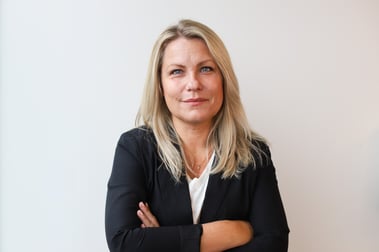
Cecilia Almér, ESG Lead at Stratsys
When execution becomes the real challenge
In many organisations, the direction is clear, but execution is uneven. Initiatives are driven in different parts of the business, often with good intentions. What is missing, however, is a cohesive structure for accountability, follow-up and prioritisation. This often leads to three recurring challenges:
- Unclear ownership.
- Fragmented follow-up.
- Limited ability to demonstrate actual impact.
The result is that sustainability work is perceived as extensive, but difficult to govern and even harder to evaluate.
– When accountability and follow-up are built into the regular governance model, sustainability does not become a parallel track. It becomes part of how the organisation is led and developed. That is when ambition starts to make a real impact, says Cecilia.
This is also where the important shift happens. Sustainability moves from being a side project or a reporting track to becoming an integrated part of business governance.
Discover the webinar: From ESG reporting to business steering
Structure that makes transformation possible
The next step is rarely about more policy documents. It is about creating structure for execution.
Long-term goals need to be broken down into concrete activities, with clear owners, priorities and follow-up in the same processes as other business goals. When sustainability goals are integrated into planning, execution and follow-up, their status changes. They are no longer something reviewed alongside the business, but something that actively influences how the business is led.
In practice, this means that every goal needs to be linked to concrete actions, accountable functions and a clear follow-up logic. Follow-up needs to happen continuously, not only in connection with reporting cycles or year-end processes.
– Transformation is not primarily a question of willingness. It is a question of structure. When goals are linked to activities, accountability and follow-up, continuity is created. That is when sustainability moves from intention to manageable progress, says Cecilia.
Organisations that succeed in doing this do not just strengthen their follow-up. They strengthen their ability to act.
The value for the Chief Sustainability Officer
For the Chief Sustainability Officer, a clear execution model means greater governability. When goals, activities and follow-up are connected, it becomes easier to see where progress is on track, where it is losing momentum and where new decisions are needed. Priorities can then be based on actual progress and clear dependencies, rather than assumptions or ambition alone.
At the same time, the need for manual coordination decreases. Follow-up becomes more structured and continuous, instead of being built through one-off efforts ahead of reporting deadlines.
– When accountability is clearly distributed and follow-up is integrated into governance, the role of the Chief Sustainability Officer changes — from collecting information and chasing status updates to driving prioritisation, direction and development. That creates entirely different conditions for working strategically, says Cecilia.
This is therefore not primarily about efficiency. It is about creating real governability in sustainability work.
The value for the CFO and executive team
For the CFO and executive team, sustainability is increasingly a matter of governance, risk, investment and competitiveness. It is not enough to know which targets are in place. Leadership needs to be able to assess whether the organisation has the right portfolio of actions to achieve those targets, whether resources are allocated effectively, and whether implementation is progressing at the necessary pace.
When sustainability initiatives are linked to targets, accountability and expected impact, decision-makers gain a stronger basis for action. A consolidated view of the current state, progress and deviations makes it possible to act earlier, prioritise more effectively and adjust course where needed.
- For leadership, it ultimately comes down to trust in the basis for decision-making. When progress is followed up in a structured way, with clear ownership and traceability, sustainability also becomes easier to integrate into the organisation’s regular business priorities, says Cecilia.
This also strengthens external credibility. When results can be traced back to specific activities, decisions and accountable functions, sustainability work becomes more transparent, more verifiable and more relevant for leadership, the board and other stakeholders.
Further reading: Five tips to raise the strategic level of sustainability work
The strategic shift
Raising the strategic level of sustainability work is not about initiating more. It is about ensuring that sustainability becomes part of the organisation’s actual ability to execute.
This is also what is becoming increasingly important in the market right now. Regulations may be adjusted, timelines may shift and reporting requirements may change. But the need for clear governance, traceability and the ability to turn ambition into operational decisions remains.
- Strategic maturity is reflected in how the organisation makes decisions. When sustainability influences priorities, investments and follow-up over time, it becomes a real part of business governance and long-term value creation, says Cecilia.
For the Head of Sustainability, this means building structures where targets are translated into concrete activities, with clear owners and consistent follow-up. That is where sustainability work moves from ambition to business impact.
Read more about how Stratsys can support your organisation in sustainability work.

.jpg?width=600&height=600&name=iStock-1138669707%20(1).jpg)