Sustainability is now an integrated part of business for most large companies. Clear leadership in this area shapes how the organisation prioritises, invests and manages risk. Here, Stratsys ESG expert Cecilia Almér shares five tips for sustainability managers.
Today, most large companies already have established structures for sustainability work. Processes are in place, data collection works, and targets are well developed. But as sustainability work matures, expectations continue to rise.
For sustainability managers to take the next step, a strategic approach is required, where the link to value is made clear in both actions and objectives. Just as important as the work itself is ensuring internal alignment with the executive team and the board, where sustainability data is connected to financial data. In other words, it is not enough to be in control. The sustainability manager needs to become a strategic player.
So what does it take to raise the strategic level of sustainability work? To answer that question, we turn to Cecilia Almér, ESG Lead at Stratsys, who shares five practical recommendations that reflect how the role has evolved.

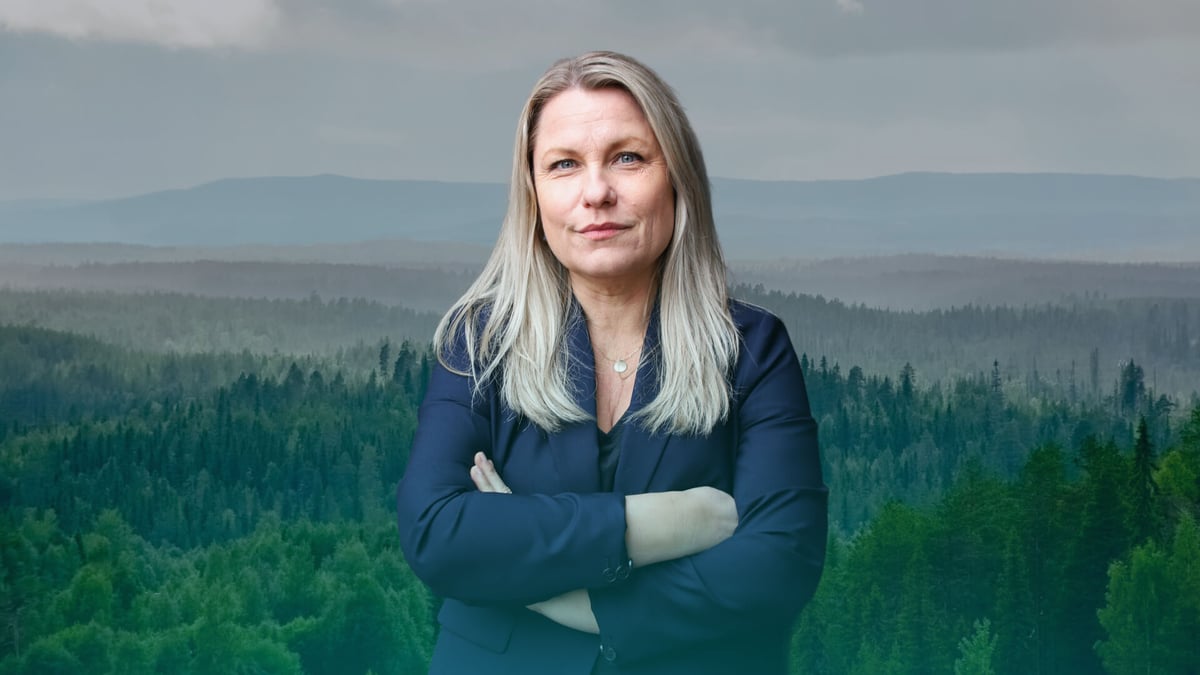
Cecilia Almér, ESG Lead at Stratsys
1. Start with what is material
For sustainability work to become truly strategic, it needs to start in the right place. It is not primarily about capturing every new requirement or formulating more ambitions, but about clarifying which sustainability issues are actually most critical to the business and its surrounding context.
As a sustainability manager, you need to create a clear link between the most material sustainability issues, the company’s impact and the company’s long-term development. When sustainability work starts there, it becomes easier to prioritise effectively, align the organisation and maintain a clear direction over time.
- Sustainability work needs to begin with what is genuinely material to the business, not with a list of requirements or activities. Something important happens when material risks, opportunities and impacts are linked to how companies invest and prioritise. The status of sustainability issues within the organisation changes. They become part of how the business is built, rather than something added on alongside it, says Cecilia.
2. Secure alignment where decisions are made
Strategic maturity is not only about having strong sustainability work in place. It is also about ensuring that sustainability has an impact where the direction of the business is shaped.
Alignment at executive and board level is therefore crucial. But this is not just about informing. It is about creating shared understanding around which sustainability issues are most business-critical, which trade-offs exist and which priorities need to be made.
When sustainability is present in the forums where strategic choices are made, the organisation is also better positioned to work in a coordinated and long-term way.
- In the end, it is about direction. When management shares your analyses and priorities, the likelihood increases that the organisation will move together towards the same goals, says Cecilia.
Discover the webinar: From ESG reporting to business steering
3. Create clarity in objectives and activities
Sustainability work needs a clear link between overarching objectives and concrete activities. It should be possible to follow how a goal is broken down into initiatives, who is responsible for what and what impact is expected.
- Maturity is not about access to data, but about how it is used. As a sustainability manager, you need to ensure there are clear definitions, traceability between objectives and activities, consistent follow-up and a shared understanding of what is being measured and why. But also a clear distribution of responsibility. When there is a clear link between objectives, activity and ownership, sustainability becomes much easier to drive in practice, says Cecilia.
4. Make the implications easy to understand
Sustainability issues need to be understood in context. This is especially important in dialogue with management, the business and other decision-makers.
As a sustainability manager, you need to be able to show what different sustainability issues mean for the business, both in the short and long term. This may relate to risk, resilience, resource use, supply chains, transition needs or expectations from customers, investors and other stakeholders.
The point is not to reduce sustainability to numbers, but to make the issues concrete enough to be prioritised and managed with the right level of weight.
- Sustainability has greater impact when the consequences are made clear. That also makes it easier for the organisation to understand why certain issues need to be prioritised and how sustainability issues are connected to the business’s long-term development, says Cecilia.
5. Build ownership across the organisation
Strategic maturity is reflected in how well sustainability is integrated across the organisation as a whole. As long as the work is carried by a single function, it will also remain vulnerable.
To create real movement, sustainability work needs broad ownership. Responsibility needs to sit in the line organisation, in operations and with the people who actually influence outcomes day to day. Sustainability objectives therefore need to be integrated into regular planning, follow-up and decision-making.
That is where the work shifts from being something driven alongside the business to becoming a natural part of how the organisation operates.
- Sustainability needs to be built into how the organisation works and is led. When responsibility sits in the business and is followed up as part of regular governance, sustainability also becomes part of the organisation’s actual development, says Cecilia.
The next step in maturity
Taking the next step in sustainability work is not necessarily about more initiatives or more complex structures. It is about strengthening sustainability’s place in governance, creating clearer priorities and building broader ownership across the organisation.
For you as a sustainability manager, this means moving from primarily holding the work together to also shaping the direction. Strategic maturity arises when sustainability is not only followed up, but also influences how the organisation thinks, prioritises and develops over time.
- Strategic maturity is reflected in decisions. When sustainability has a real impact on how the organisation is led and developed, it also becomes a true driver of long-term value creation, Cecilia concludes.
Read more about how Stratsys can support your organisation in sustainability work.

.jpg?width=600&height=600&name=iStock-1138669707%20(1).jpg)