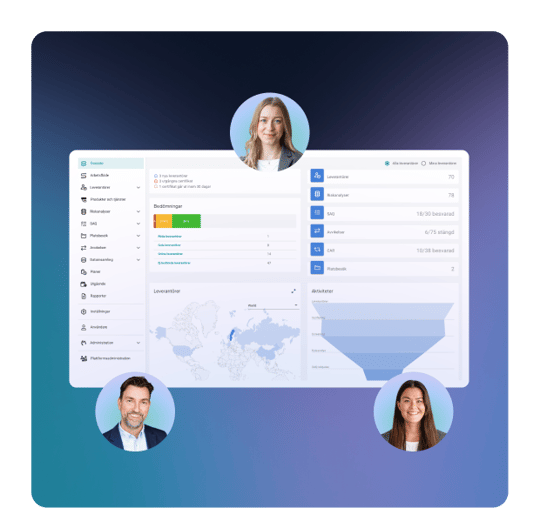
Third-party risks, in one place
Create shared understanding, traceability and a shared basis for decision-making by bringing processes, data and accountability together in one system.
Due Diligence
Supplier risks and decisions shouldn’t live in silos. Bring risks together in a shared, risk-based workflow to identify, assess and prioritise issues consistently - and strengthen business-critical decisions.
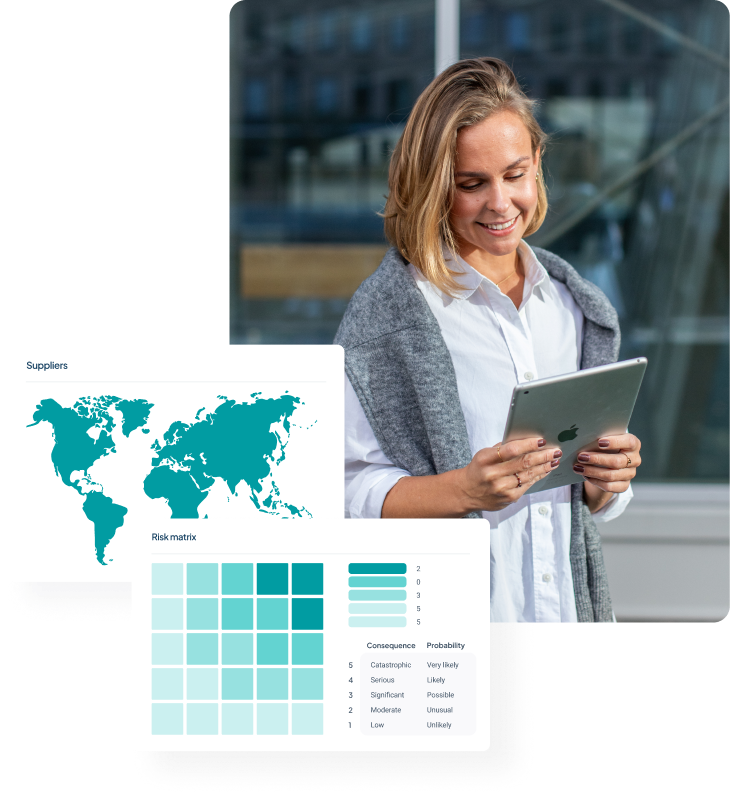








Create shared understanding, traceability and a shared basis for decision-making by bringing processes, data and accountability together in one system.
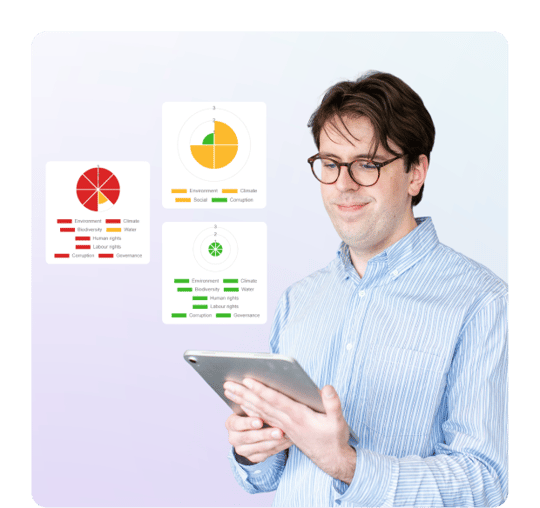
Structured, high-quality risk analysis makes it possible to identify risks that go beyond what screening alone can capture.
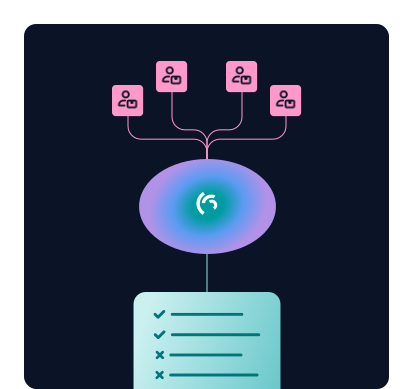
When risks are many, prioritisation becomes critical. Automated analysis helps you focus your efforts where impact and risk are greatest.
Not all suppliers require the same level of effort. A risk-based approach helps you allocate time and resources where they are needed most.

Verify your suppliers globally, directly in the system, to ensure the company exists and is active – and that it does not appear on any watchlists, sanctions lists or PEP lists.
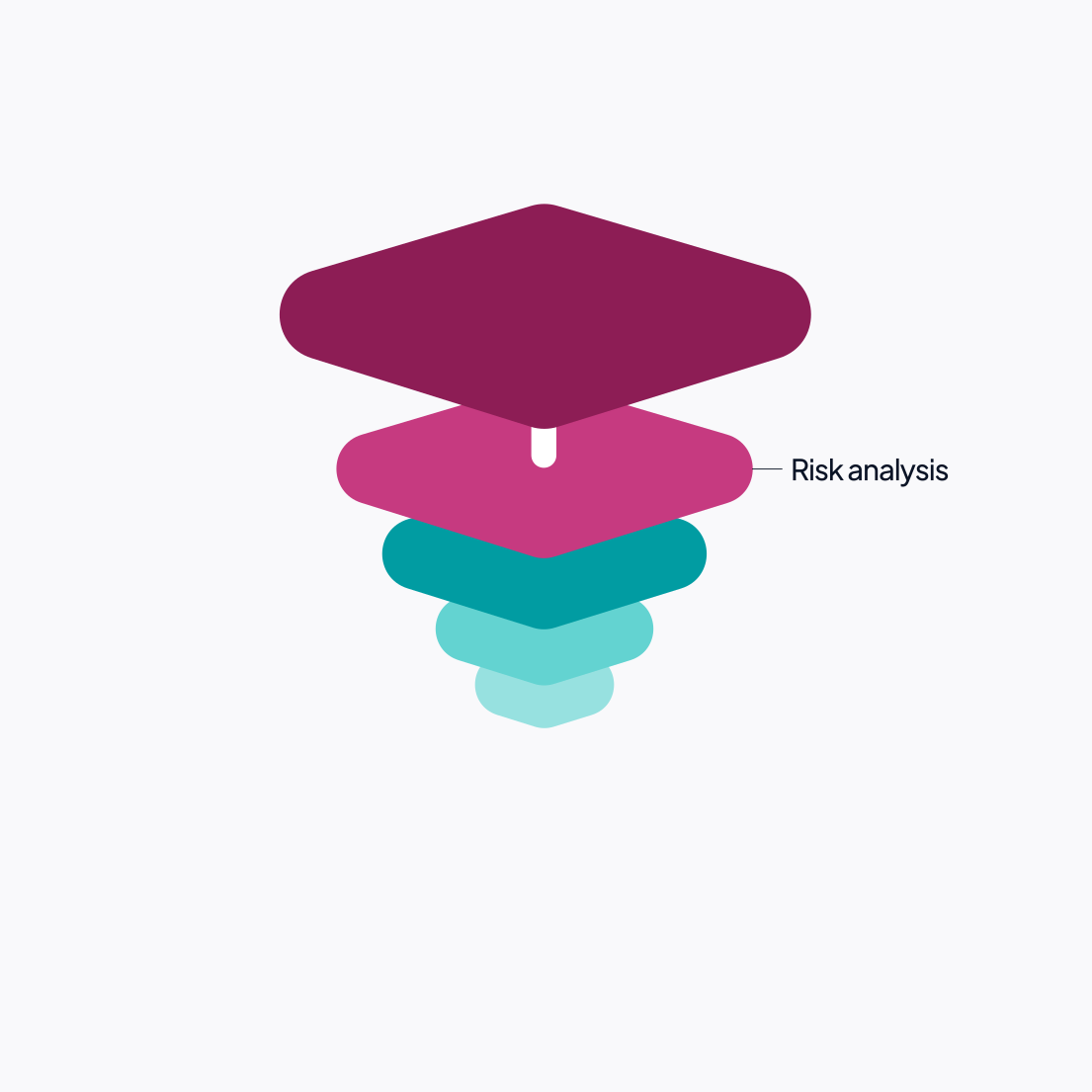
We build tailored risk analyses designed to fit each organisation, using parameters such as country risk and industry risk.

Assess suppliers with potential and actual risks through tailored self-assessment questionnaires. Manage deviations directly in the system, in dialogue with your suppliers.

Complement your analysis with real-world insights. Our app provides an easy-to-use, configurable tool for site visits. When full-scale inspections are required, protocols are recorded directly in the app and made available in the system. Evaluate across multiple parameters – environment, quality, social factors and IT security.
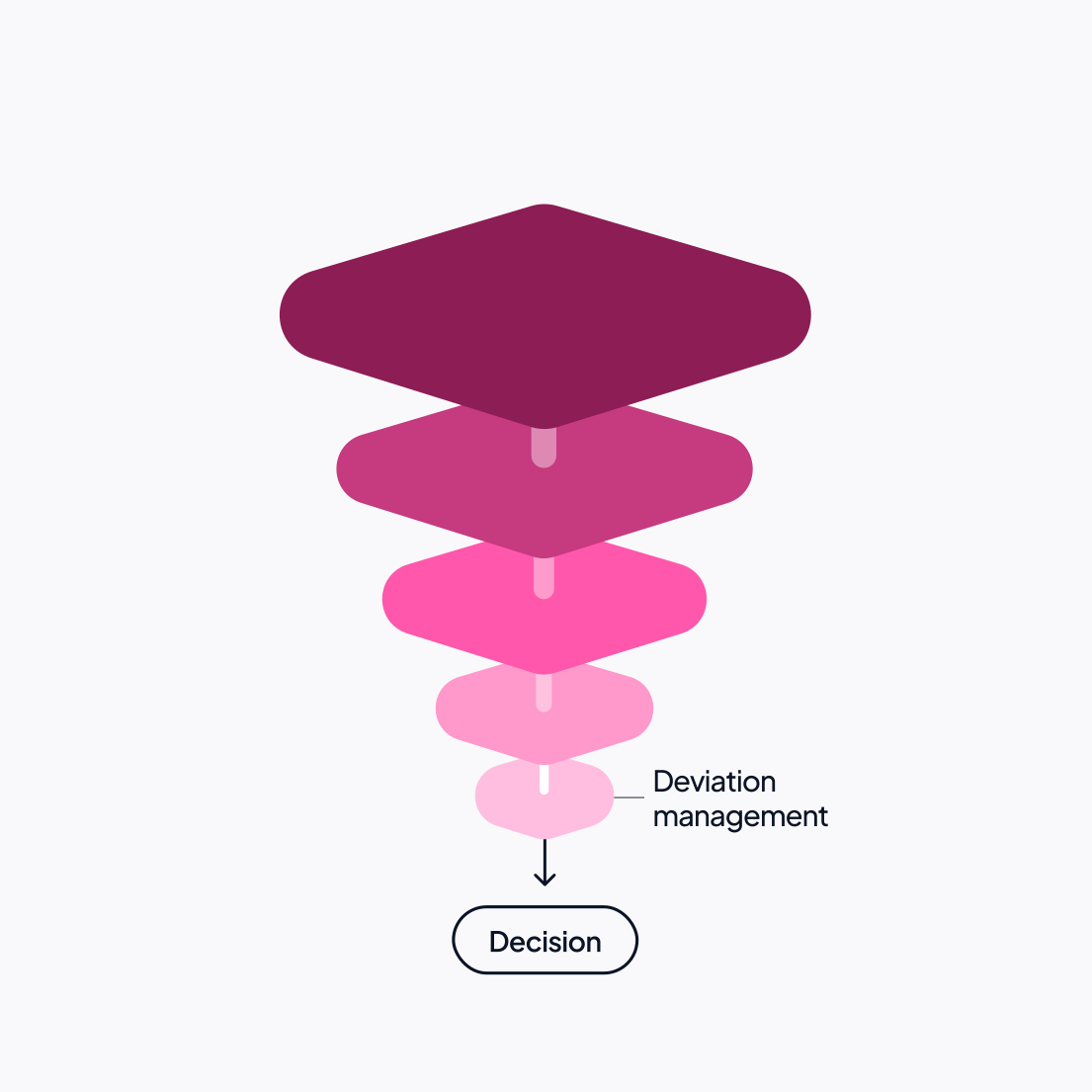
Efficiently manage identified risks and adverse impacts, and engage in dialogue with suppliers on corrective actions directly in the system. This can be done on an ongoing basis, regardless of whether deviations are identified through SAQs, inspections or other steps in the process. Continuous follow-up creates the conditions for real improvement and long-term development.
Due diligence tailored to your area of focus

Identify, assess and manage ESG risks across the entire value chain. Get support for CSDDD, EUDR and other sustainability requirements – with a focus on real impact and concrete actions.

Create control over cybersecurity risks in the supply chain. Build resilience and ensure compliance with NIS2 and DORA.



Turn risk management into structured actions and make compliance a natural outcome of your day-to-day work – supported by clear documentation that makes it easier to demonstrate compliance with requirements.

CSDDD requires companies to identify and manage risks related to human rights and the environment across the entire supply chain. Stratsys helps you map risks, create action plans and document due diligence efforts over time.
NIS2 raises requirements for cybersecurity, governance and incident management for organisations within critical infrastructure and digital services – including across the supply chain. Stratsys helps you establish a clear baseline, manage cyber risks, and support audits and reporting.
CSRD/ESRS requires companies to report in detail on sustainability-related impacts, risks and opportunities – with full traceability in the underlying data. Stratsys helps you collect and quality-assure data, and structure the work for double materiality assessments and reporting.
DORA sets requirements for digital operational resilience, including the management of IT risks, incidents and third-party providers. Stratsys helps you map suppliers’ cybersecurity, create a clear risk overview, and document and report actions.

The Norwegian Transparency Act requires companies to map and manage risks related to human rights in the supply chain and communicate their efforts transparently. Stratsys helps you gain oversight, create action plans, and collect documentation to support compliance.
Ready for the next step?
Bring your due diligence work together and gain better control of risks across the value chain.


The EU's new Packaging and Packaging Waste Regulation, PPWR, is one of the most far-reaching overhauls of European packaging legislation in thirty...
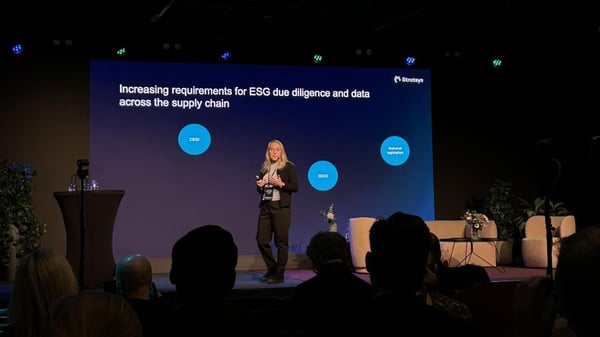
In this video from CPO Nordic, Anna Lindstedt, ESG expert at Stratsys, shares her insights on the future of sustainable procurement. Drawing on more...

The global supply chain is becoming increasingly complex, while new regulatory requirements are emerging. Can procurement and sustainability managers...