.jpg?width=1200&height=1200&name=iStock-1138669707%20(1).jpg)
Sustainability is increasingly judged by an organisation's ability to turn ambition into governance. That requires clear ownership, consistent follow-up, and a governance model where sustainability issues genuinely shape business decisions. Here, Stratsys ESG Expert Cecilia Almér shares her tips for raising the bar.
Over the past few years, many organisations have built more mature ways of working with sustainability reporting, double materiality, and follow-up. At the same time, the external landscape is more complex than it has been for a long time. Regulations are evolving, timelines are being adjusted, and many companies are rethinking their approach. Yet the demands from customers, investors, banks, and auditors for quality, transparency, and governability remain.
It's easy for sustainability work to get stuck in data collection, filled-in templates, and report deliverables. That work is necessary – but it isn't where the real value of sustainability is created.
The value of sustainability work doesn't emerge in the reporting, but in the decision-making. It's about how sustainability drives priorities, investments, and risk assessments. If the work doesn't get there, it's hard to achieve real impact, says ESG Expert Cecilia Almér.
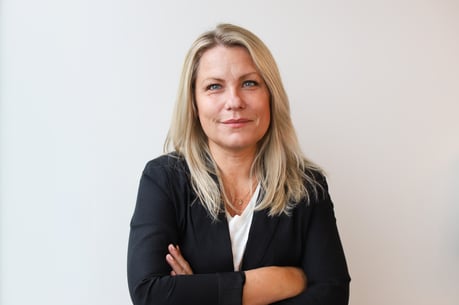
Cecilia Almér, ESG Lead at Stratsys
Sustainability as a governance issue
For a Head of Sustainability, the next step isn't to do more – it's to do things differently. Sustainability needs to move from being a separate discipline to becoming an integrated part of how the business is governed.
At its core, this is about asking the right kinds of questions:
- Which sustainability issues have the greatest impact on the business, on risk, and on capital?
- Which decisions need to change – in areas such as procurement, investment, product development, or supplier management?
- How should follow-up be designed so that management can make decisions and track developments over time?
According to Cecilia, it's often the link to the business that's missing:
Many organisations have come a long way in identifying their most important sustainability issues and have clear ambitions, but they lack the connection to actual decisions. Strategic maturity is about ensuring that sustainability shapes how the organisation prioritises and follows up over time, says Cecilia.
Materiality that drives governance
Double materiality assessment is a clear example of this. It shouldn't stop at the analysis stage – it should act as a filter for which issues feed into goals, risk management, accountability, and management follow-up.
If something is material, it should influence how the organisation is governed. That means every prioritised area needs a clear place in goals, follow-up, and ownership. The alternative is analysis without consequence, says Cecilia.
In practice, every material area needs:
- A clear owner in the line organisation.
- A limited number of relevant KPIs.
- A concrete portfolio of activities.
- An established follow-up routine in regular governance forums.
A structure that holds up to both governance and scrutiny
The next step in raising the bar for sustainability work isn't more initiatives or more detailed reporting. It's structure.
Long-term ambitions need to be broken down into concrete activities with clear ownership and follow-up. That requires a goal architecture where objectives are connected, and a shared structure for KPIs, activities, plans, and accountability.
If there's no traceability between goals, activities, and outcomes, it becomes difficult to both govern and demonstrate results. It also affects the quality of the reporting, says Cecilia.
This is where many organisations face their biggest challenges. The work often depends on individual people. Follow-up is spread across different systems, and the picture of the current state is fragmented. That makes it hard to prioritise.
Separating strategy from data operations
Another common challenge is that the same function is expected to handle both strategy and operational data collection. That slows things down and makes prioritisation more difficult.
What's needed is a clearer division within sustainability governance:
- A strategic core that focuses on priorities, goals, and decision-making material for management.
- An operational structure where data, controls, and follow-up take place in the business itself.
This shifts the role of the sustainability function from primarily collecting information to becoming the owner of methodology, quality, and governance.
Ownership in the business, control in the structure
Moving ownership out into the business doesn't mean letting go of control. Quite the opposite. When sustainability is integrated into operations, the control environment needs to be clear.
It comes down to three things:
- Clear accountability for every data point and KPI.
- Defined controls and review steps.
- Clarity in how deviations are handled.
Only when accountability, control, and follow-up are connected does the work become scalable.
Digitalisation that enables governance
System support shouldn't just help the organisation collect data. It should make it easier to govern throughout the year.
That means goals, KPIs, activities, accountability, controls, and evidence need to be connected in a shared structure. When the way of working is coherent, it becomes easier to follow up, prioritise, and act in time. It also reduces the vulnerability of manual processes and makes it easier to meet both internal and external review requirements. It gives management a real basis for decisions.
The decisive dialogue with management
In the end, the strategic position is determined in the meeting with management. That's where sustainability is either reduced to a reporting issue or elevated to a governance issue.
What raises the bar is how the issues are packaged. Don't just bring status updates – bring decision-making material. Show alternatives, consequences, and recommendations. That's when sustainability becomes relevant to the business, says Cecilia.
When sustainability is used to steer priorities, investments, risk management, and follow-up, it's no longer a side track. It becomes part of the core of the business.
If you enjoyed this article, we recommend Five tips for raising the strategic level of your sustainability work.